
Parking Lot Sealcoating in South Houston
Protect your asphalt investment from Texas sun, heavy rain and oil drips — and give your property a deep, uniform finish that tells customers you take care of the place.
Get a Sealcoating Estimate
Tell us about your lot. We'll follow up within one business day.
Asphalt starts oxidizing the day it's laid. Sun turns it gray and brittle, water finds its way into small cracks, and oil and fuel soften the surface. Sealcoating puts a protective layer back on top so the pavement underneath lasts longer.
We clean the lot, fill cracks, treat oil spots and apply commercial-grade sealer in even coats, then restripe — so you get the protection and a lot that looks brand new.
What's included
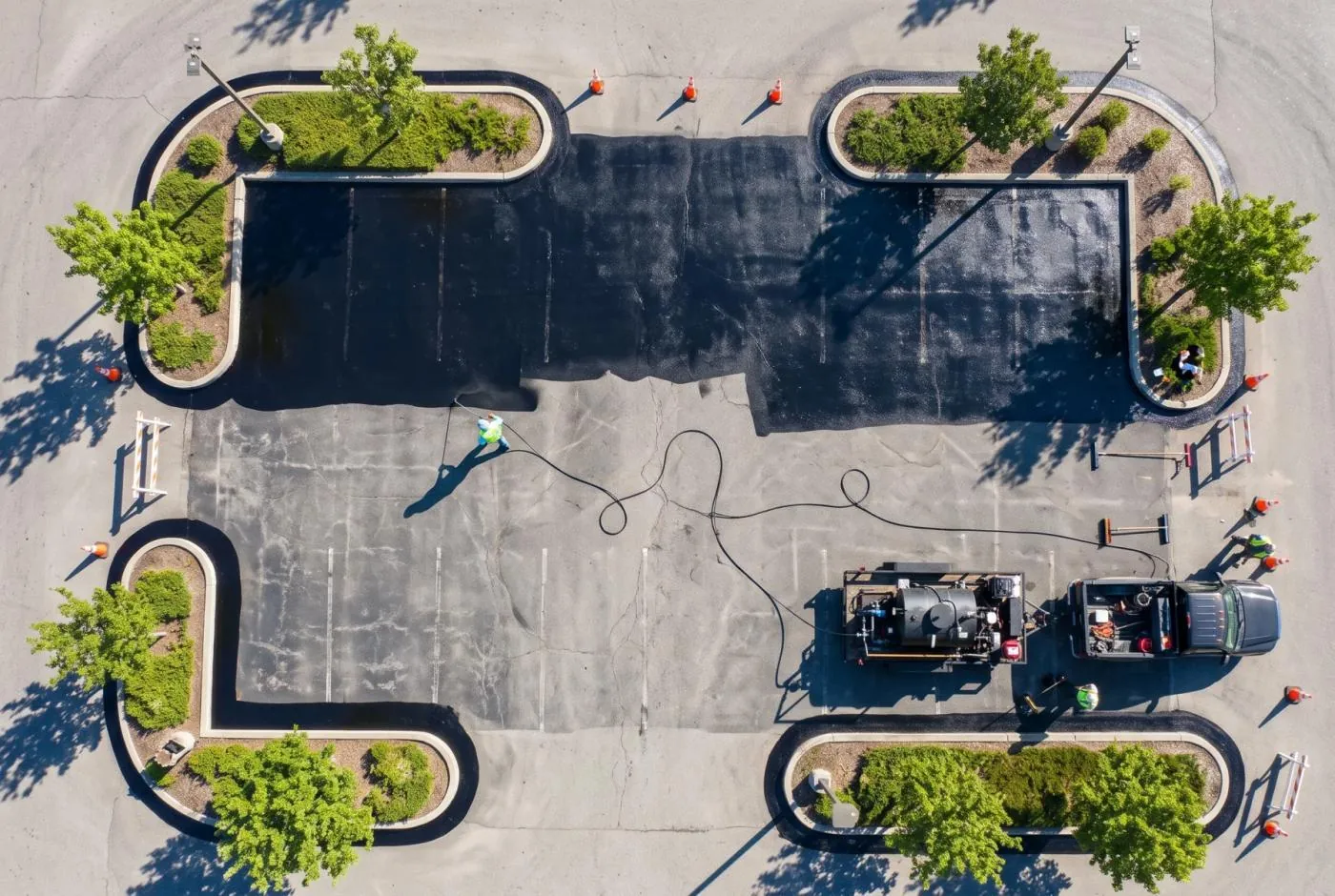
Before and after
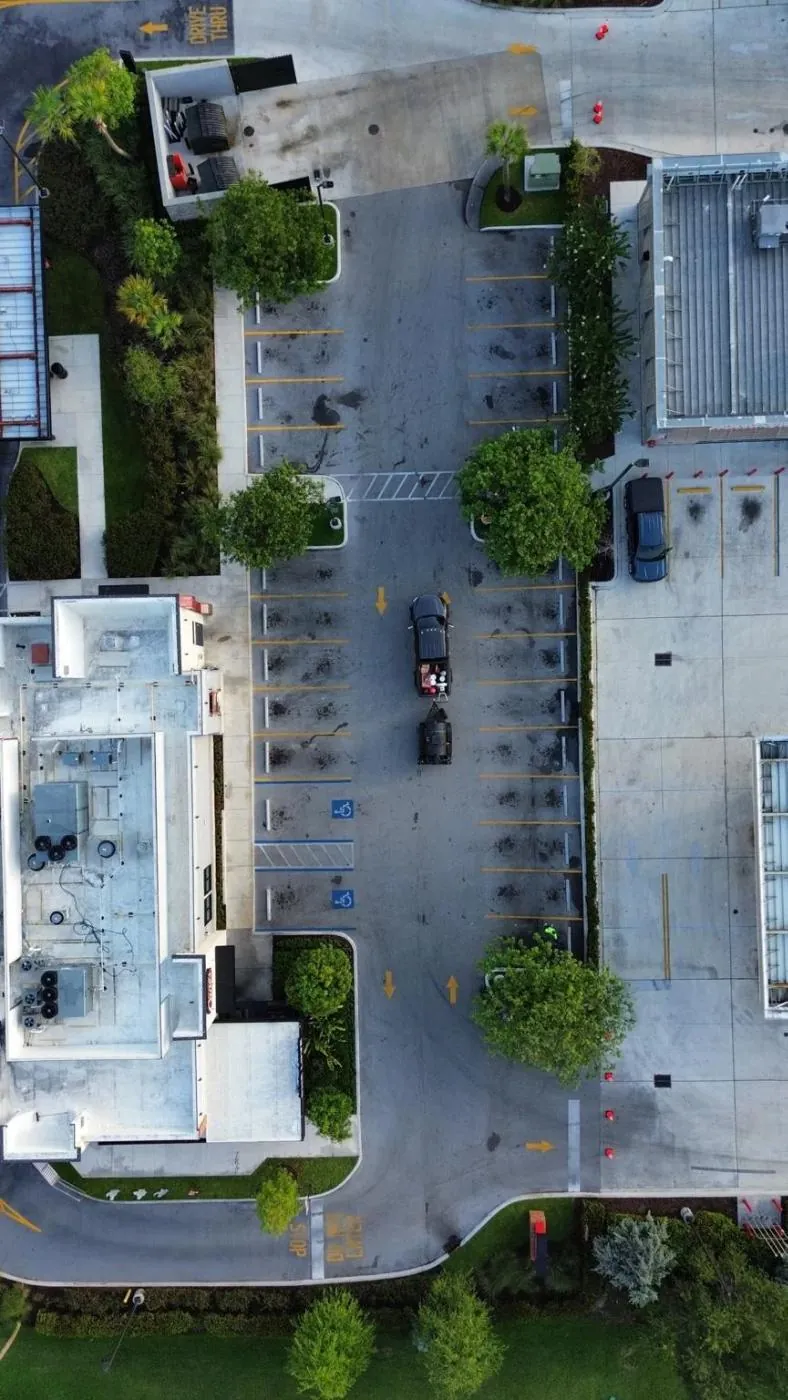
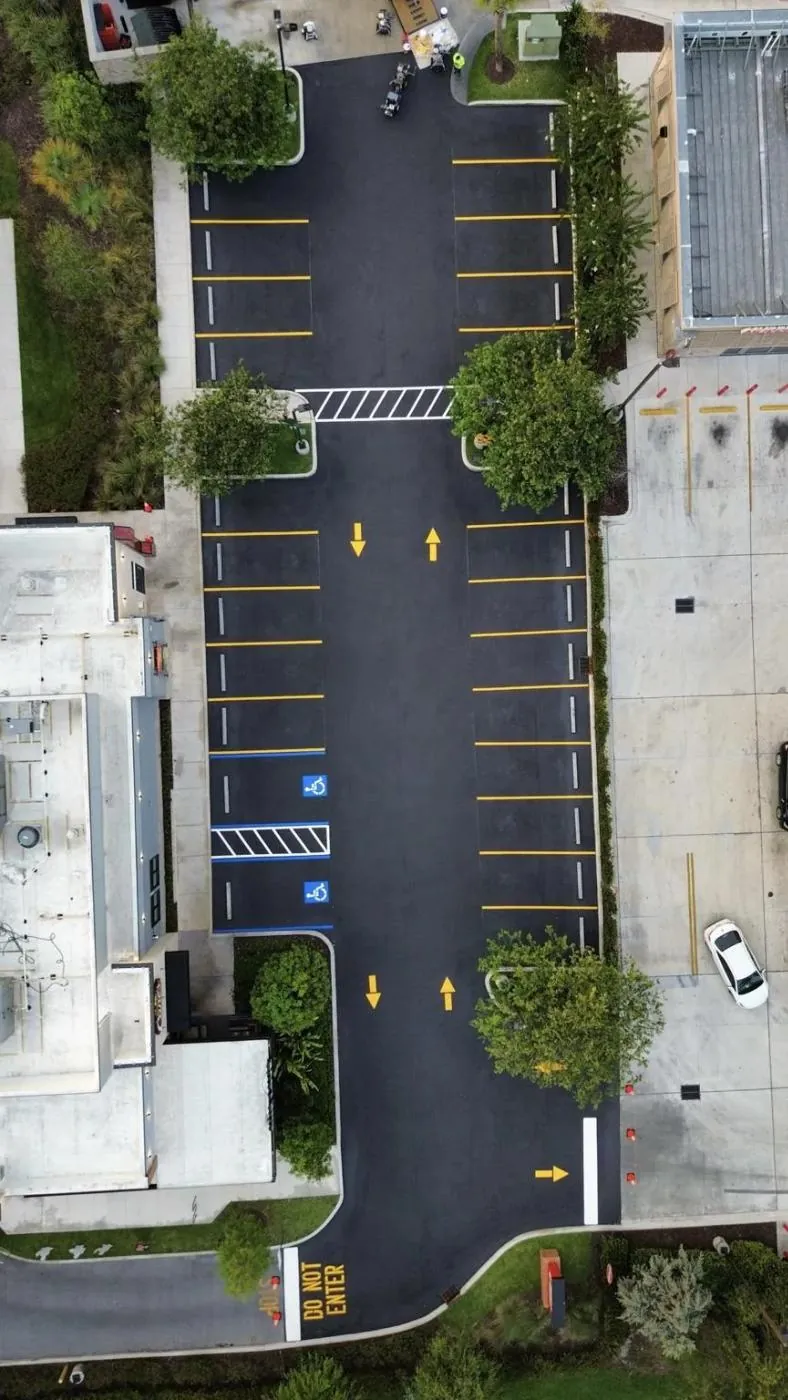
Recent sealcoating work
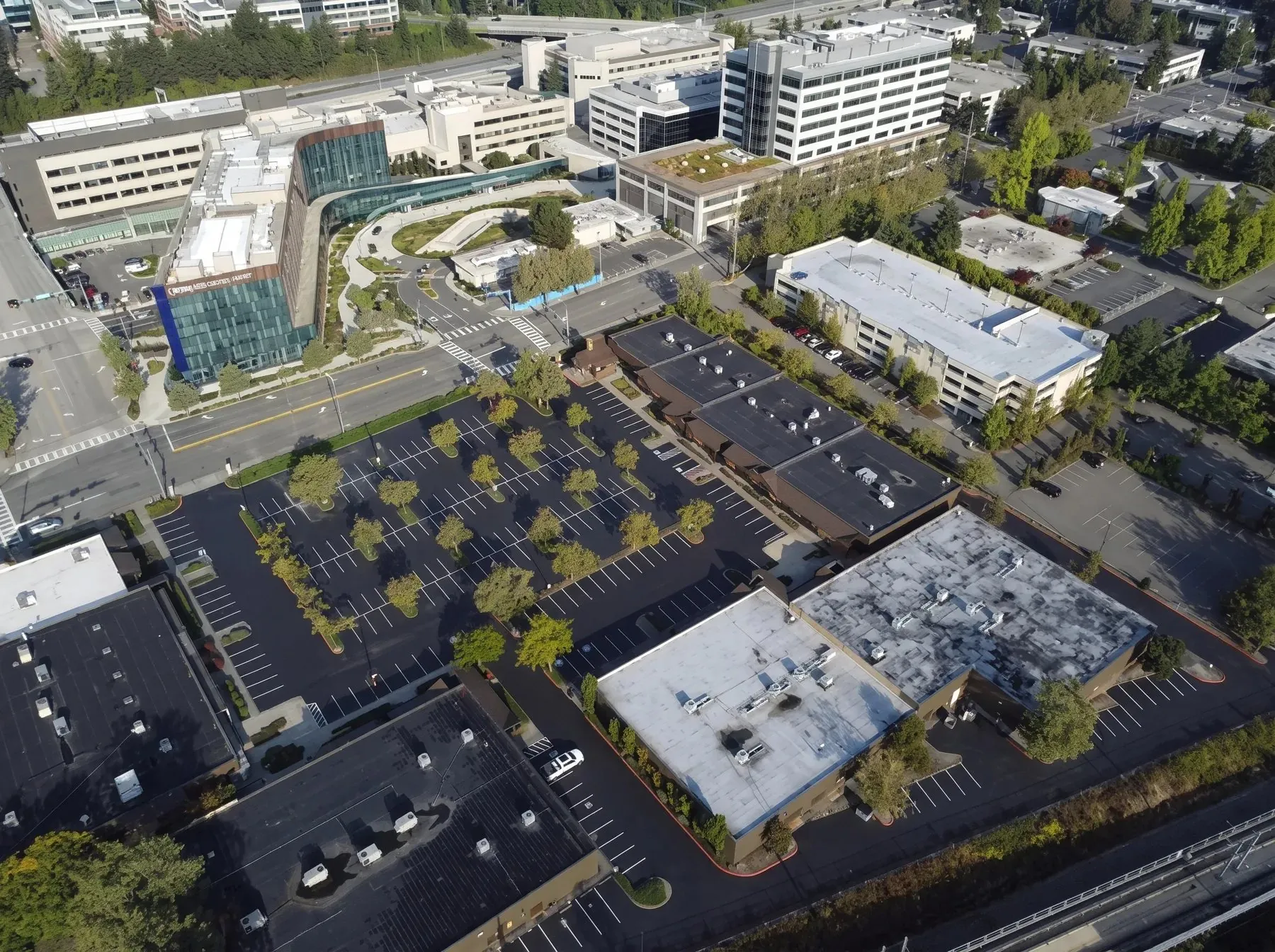
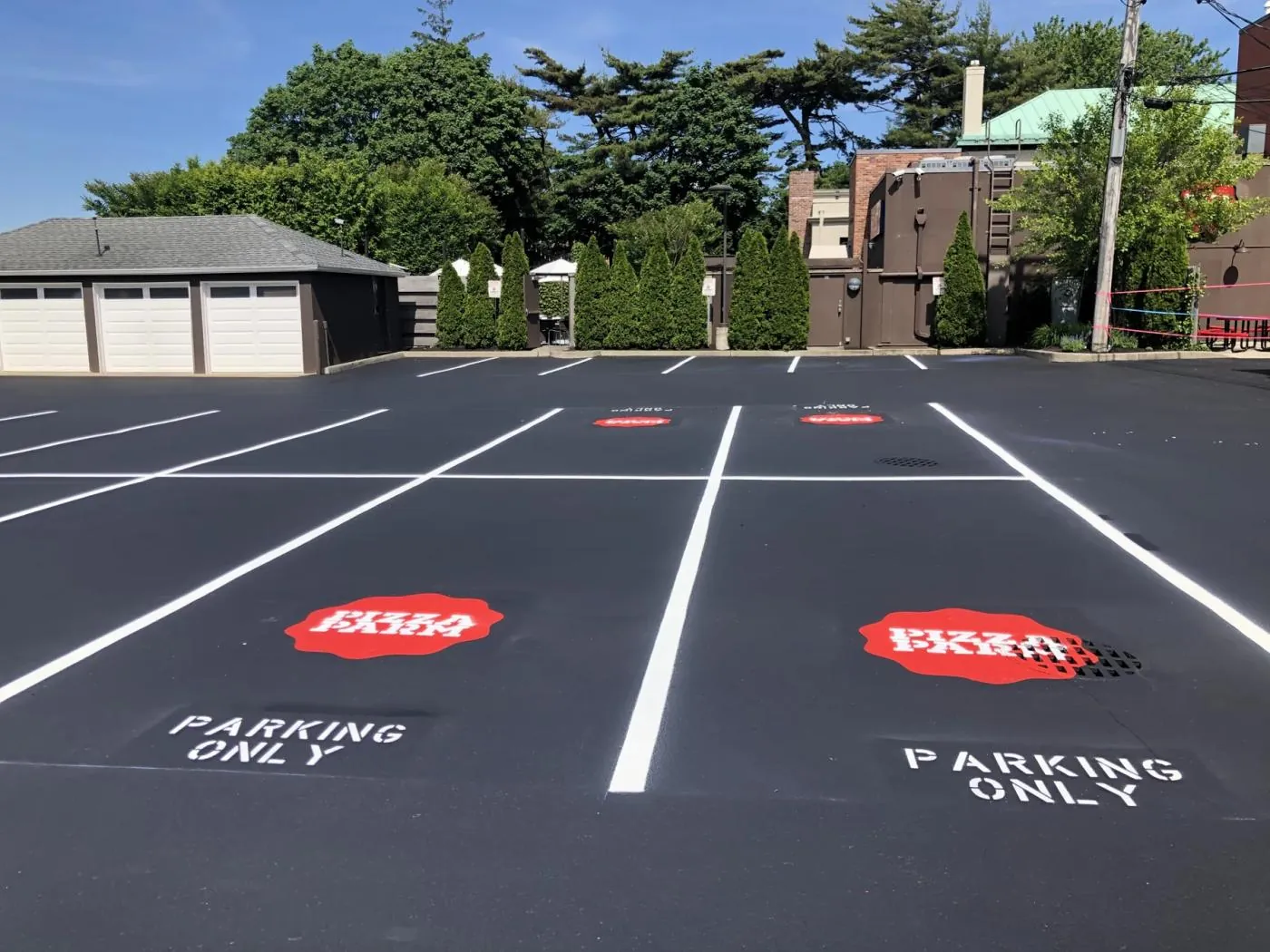
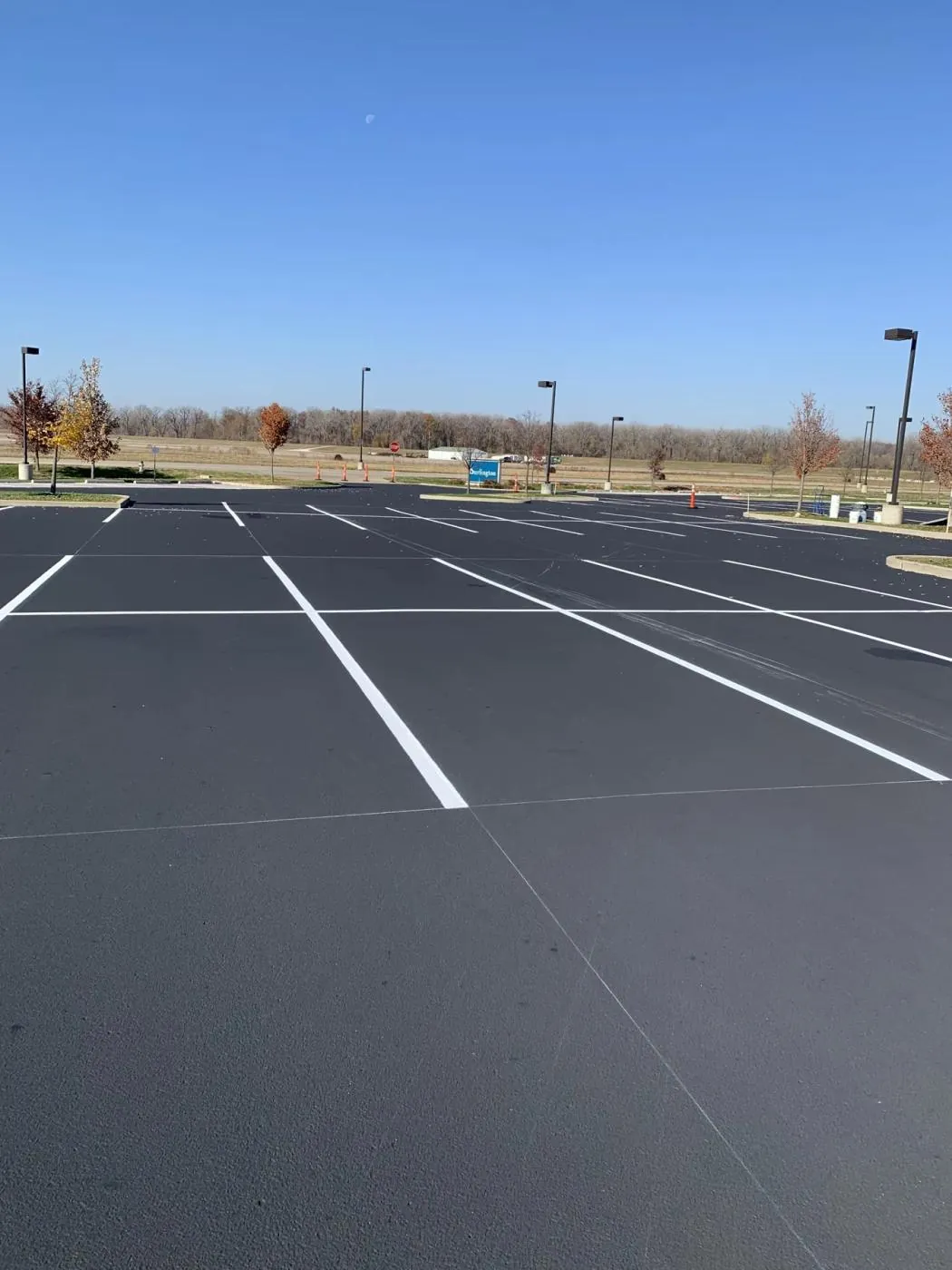
What sealcoating does for a parking lot
Sealcoating (also written seal coating, and sometimes called asphalt sealing or blacktop sealing) is a protective coating applied over sound asphalt. It shields the surface from sun, heavy rain and oil and fuel drips, which are the things that dry asphalt out and start it cracking. It also restores a deep, even black color, which makes new striping stand out and makes the whole property look cared for.
Sealcoating is maintenance, not repair. It protects pavement that is still in good shape. It does not fill potholes, fix sunken areas or hold broken asphalt together, so those are repaired first.
Signs your lot is ready for sealcoating
The surface has faded from black to gray. Small stones are starting to show and come loose. Hairline cracks are appearing. Water no longer beads and oil spots are soaking in. Or the lot was paved in the last year or two and you want to protect it before it starts to wear.
What a parking lot sealcoating project includes
We clean the pavement so the sealer can bond, fill open cracks, prime oil spots, and cut in by hand along curbs, sidewalks, walls and garage doors. Sealer is then applied in even coats by spray or squeegee, depending on the surface. Once it has cured we restripe the lot. On busy properties we seal in sections, so part of the lot always stays open.
Timing, weather and reopening
Sealer needs dry pavement, mild temperatures and time to cure, so in the Houston area the season is long, and we work around the rain. We do not seal ahead of rain. Before we start you get a plan showing which sections close, for how long, and when cars can return.
Sealcoating for shopping centers, offices, HOAs and churches
We sealcoat retail centers and restaurants, office and medical parks, apartment and HOA communities, churches, schools and industrial sites. Work is scheduled around your hours, including nights and weekends, and we coordinate notices for tenants and residents where needed.
How often should a parking lot be sealcoated?
There is no single schedule that suits every property. It depends on the age and condition of the asphalt, how much traffic it carries, and the weather it sits in. On the Texas Gulf Coast, strong sun and heavy rain are hard on pavement and paint alike. Many commercial owners plan sealcoating as a recurring maintenance item every few years, with crack sealing in between. The right time is while the pavement is still sound: sealer protects good asphalt, it does not rescue pavement that has already failed. We will walk your lot and give you a straight answer on timing.
How sealcoating is applied
Sealer is applied by spray, by squeegee, or by a combination of the two, depending on the surface. A squeegee works sealer into a rougher, more open surface; spray gives an even finish on smoother pavement and around tight areas. Edges along curbs, sidewalks, walls, drains and garage doors are cut in by hand so sealer goes where it should and nowhere else. Most commercial lots receive two coats, with the first allowed to dry before the second is applied.
Surface preparation is most of the job
Sealer only bonds to clean pavement. Before sealing we remove dirt, sand, leaves and loose stone with blowers, brooms or power sweeping, and scrape off anything stuck to the surface. Oil and fuel spots are cleaned and primed, because sealer will not hold over oil. Open cracks are filled and failed areas are repaired first. Grass and weeds growing in from the edges are cut back. A lot that is sealed without this preparation looks good for a short time and then begins to peel.
Sealcoating versus repaving
Sealcoating and paving solve different problems. Paving replaces the asphalt itself and is the right answer when the pavement has failed across large areas. Sealcoating is a protective coating over asphalt that is still in good structural shape. It costs far less than paving and is repeated on a cycle to slow down wear. If your lot has good bones but looks gray and tired, sealcoating is usually the right step. If it has widespread cracking, sinking or potholes, repairs come first, and we will tell you plainly if an area is past maintenance.
What sealcoating will and will not do
Sealcoating will restore a uniform black color, slow the drying and oxidation caused by sun, resist water, oil and fuel, and make the surface easier to keep clean. It gives new striping a dark background to stand out against. It will not fill potholes, level low spots, bridge wide cracks or strengthen a weak base. We set those expectations before work starts so the finished job is what you were expecting.
Keeping your property open during sealcoating
A sealed area has to stay closed until it cures, so planning matters. On most commercial properties we seal in phases: one section is closed while the rest stays open, then we switch. We agree the phasing with you in advance, provide notices for tenants or residents where needed, and set cones, tape and signs so drivers know where to go. Entrances, fire lanes and accessible parking are planned so the property keeps working throughout.
Sealcoating new asphalt
New asphalt needs time to cure before it is sealed, because the oils in fresh pavement have to settle first. Once it has cured, a first sealcoat protects the surface while it is still in its best condition, which is the most effective time to start a maintenance cycle. If your lot was paved recently, we will look at it and tell you when it is ready.
Sealcoat and stripe as one project
Sealcoating covers the existing lines, so every sealcoating job ends with new striping. Doing both as one project means one schedule, one closure plan and one crew responsible for the finished result. It is also the best moment to fix a layout that never worked well, add accessible spaces, or repaint fire lanes and curbs so the whole lot looks new at once.
Choosing a sealcoating contractor
Sealcoating results depend on the contractor far more than on the product. Ask how the lot will be cleaned, whether cracks and oil spots are treated first, how many coats are included, how edges are protected, and how the property will be kept open. Ask to see recent commercial work. A proposal that skips preparation or promises to seal over failed pavement is one to question. Our estimates spell out each step, so you can compare like with like.
After the sealcoat: caring for the surface
Once the sealer has cured, the lot needs very little. Keep heavy vehicles from turning their wheels while standing still on fresh sealer for the first days, since that can scuff it. Clean up oil and fuel leaks when you notice them, keep drains clear so water does not sit on the surface, and seal new cracks as they appear. Those small habits help each sealcoat last its full life.
Sealcoating for property managers and HOAs
For managed properties we provide a written scope, a phasing plan and before-and-after photos, which makes it simple to report to owners and boards. Multi-property managers can schedule several sites as one program. For communities, we coordinate resident notices and towing arrangements with the manager so the work day runs smoothly.
How we work
- Assess. We check pavement condition and tell you honestly if sealcoating is the right call or if repairs come first.
- Prep. Clean, crack fill and treat oil spots.
- Seal. Apply sealer in sections so access is maintained where needed.
- Restripe & reopen. Fresh lines, cones pulled, lot back in service.
Why it matters on the Texas Gulf Coast
Year-round UV and heavy rain are hard on Gulf Coast asphalt. A sealcoat every two to three years — scheduled around the weather — is one of the most cost-effective ways to extend the life of a commercial lot.
Where we provide sealcoating
Sealcoating in Clear Lake · Sealcoating in Pearland · Sealcoating in League City · Sealcoating in Friendswood · Sealcoating in Alvin · Sealcoating in Manvel · Sealcoating in Rosharon · Sealcoating in South Belt · Sealcoating in Liverpool
Sealcoating FAQs
How often should I sealcoat?
For most commercial lots in South Houston, every two to three years is a good rhythm, depending on traffic and how much sun the lot gets.
How long is the lot closed?
It depends on weather and the size of the lot. We plan the work in sections or overnight and give you a clear reopening time before we start.
Do you sealcoat in the rain?
No. We watch the forecast closely and only seal when there is a dry window long enough for the coat to set.
Can sealcoating fix potholes?
No — sealcoat protects good pavement. Potholes and failed areas should be repaired first, which we can handle as part of the same project.
Is seal coating the same as sealcoating?
Yes. Seal coating, sealcoating, asphalt sealing and blacktop sealing all mean applying a protective coating over asphalt pavement.
Do you sealcoat parking lots or driveways?
We focus on commercial properties: parking lots, private roads, HOA and apartment communities, churches and schools.
How soon after paving can a lot be sealcoated?
New asphalt needs time to cure before it is sealed. We will look at your pavement and tell you when it is ready.
Do you restripe after sealcoating?
Yes. Fresh striping is the last step of every sealcoating project, and we can update the layout at the same time.
How many coats of sealer does a parking lot need?
Most commercial lots receive two coats. High-traffic areas such as entrances and drive lanes may get additional attention.
How long does sealcoating take to dry?
Drying time depends on temperature, sun and humidity. We will tell you when each section can reopen to foot traffic and to vehicles.
Will sealcoating fill cracks?
No. Sealer is a surface coating. Cracks are cleaned and filled separately before the sealer goes on.
Can you sealcoat over oil stains?
Oil spots are cleaned and primed first so the sealer can bond. Very deep oil damage may need a repair.
Is sealcoating slippery?
Sealer is mixed with sand or a similar aggregate for traction, so a properly applied sealcoat is not slick.
Can you sealcoat a private road or community streets?
Yes. We sealcoat private roads, HOA and apartment communities, and commercial drives as well as parking lots.
What happens if it rains after sealcoating?
We watch the forecast and do not seal ahead of rain. If weather changes unexpectedly, we inspect the work and correct any affected areas.
Ready for a sharper-looking lot?
Free, no-obligation estimates across South Houston. Night and weekend scheduling available.